
Blog Post 18: “Pops-Concert” is not a Derogatory word
Featuring:
Music from the musicals “Chess” and “The King and I,” and from the movies “Chitty Chitty Bang Bang” and “Willie Wonka and the Chocolate Factory.”


Thanks for stopping by, and welcome to my blog! I hope you had a great week. In this blog post, I will share my thoughts about the sometimes-derided phrase “Pops-Concert.” This sub-genre of classical music is sometimes considered a dreaded entity, a necessary evil, or a fun, less stressful evening than a standard concert. I will discuss the pros and cons of this sometimes sensitive issue. As examples, I will feature a few of my “pops” arrangements available on Sheet Music Direct and Sheet Music Plus.
By the way, have you performed any of our CMP arrangements? If so, we would greatly appreciate it if you could leave a review. Click here to leave a review on my CMP YouTube Channel. If you have posted a YouTube video of a CMP arrangement, do not forget to tag us on your channel, and we will tag you back. Thanks so much! Happy practicing!
Before we continue, here are three music trivia questions about “Pops-Concerts” to challenge you; I will reveal the answers towards the end of this blog post. I hope you enjoy them.
First, what is the significance of the song “Anthem” in the musical Chess?
Second, can you name two other film scores that Richard and Robert Sherman wrote, in addition to Chitty Chitty Bang Bang?
And third, which song from the 1971 movie musical “Willie Wonka and the Chocolate Factory” spent three weeks as the #1 song on Billboard’s Top 100 Hits?
Tell me your answers in the comments below, or feel free to share any other interesting musical facts you might know about “pops” music. Now, let’s continue with the topic at hand.
Pops-Concert
For as long as I can remember, the term “Pops-Concert” has had a negative connotation among some of my musician friends and colleagues. When I was an undergrad student at Southern Methodist University (SMU) in Dallas, Texas, in the mid-1980s, I would also snicker a bit when presented with the idea of playing a “Pops-Concert.” Why is that? Maybe because of our formal music training. We were never taught about “pops” music literature; it was always the three Bs: Bach, Beethoven, and Brahms, with some Mozart, Mahler, Strauss, Copland, Dallapiccola (really??), etc. thrown in. But nothing about the more “audience-friendly” literature. Perhaps that has changed in the last 30-40 years?
So, I include myself in that group of musicians who (at the time) did not quite approve of playing the “lighter” fare. Musicians are a funny bunch. We often “like what we like” and have very strong opinions about other music we find less appropriate or suitable, especially clarinetists (you know who you are). I understand; I am a clarinetist. Since the advent of Broadway, jazz, and pop, classical music has taken a back seat to other, more popular genres. Some consider classical music outdated or “stuffy,” which might be offensive to classical musicians who enjoy playing “legit music” since this is what we were trained to do. Maybe we are disappointed that the average citizen doesn’t like classical music? Or maybe we are disappointed with the training we received because it focused only on classical music rather than including other musical genres as well; therefore, we may not feel comfortable performing these more modern genres.
There are many possible answers. But I do believe that pops concerts are the future for many ensembles. In a way, some of these modern American musical genres have become our contribution to the world of classical music. For example, we could argue that movie music is our modern classical music. It is often performed by symphony orchestras, written by talented and skilled composers, and still relies on many classical musical techniques we learned in our conservatories and music schools. In fact, many modern film music composers write quite challenging scores, such as John Williams, whose scores for the Star Wars and Harry Potter films are well-known. His music is challenging, compelling, energetic, heart-warming, and entertaining. Over my 24-year career in the U.S. Air Force Bands, I learned the value of this “pops” music and that it can often save a troubled orchestra or symphonic band, while bringing a wide variety of musical styles to millions of Americans each year.
Why Do We Need Pops-Concerts?
Because of declining ticket sales, many orchestras and symphonic bands are moving toward offering more “popular” concert choices. Invariably, a concert featuring popular movie music or holiday programming will sell more tickets than traditional orchestral or band programs. Plus, modern-day audiences are more comfortable attending a concert in a bar, museum, or park than in a possibly perceived “stuffy” concert hall. So, a “Pops-Concert’ might be a more popular choice for current concert-goers. Additionally, people may be put off by the prohibitive cost of attending the symphony or symphonic band concerts, which include travel, parking, and possibly drinks and/or dinner in town.
Plus, ticket prices have increased by up to 30% more since 2019. Given that many people seem to have a shorter attention span these days, it is also possible that a 90–120-minute program of classical music might be asking too much of them aurally. In addition, symphony concerts are often viewed as a ritual for older adults, which might keep young patrons away. So, there are many reasons for dwindling crowds at “classical” music events.
I think many of us have learned to embrace the “Pops-Concert” culture. The U.S. Air Force Bands’ small ensembles and concert bands always perform a variety of music in our programs to keep our audiences engaged, and our audience numbers prove we are doing a great job. Also, our U.S. Air Force Bands truly enjoyed playing many of these tunes, especially since many of us grew up listening to American popular music, whether it was pop-rock, soul/R&B, rap, soundtracks, jazz, Broadway, or other styles. What other ensembles have embraced this “Pops-Concert” culture?
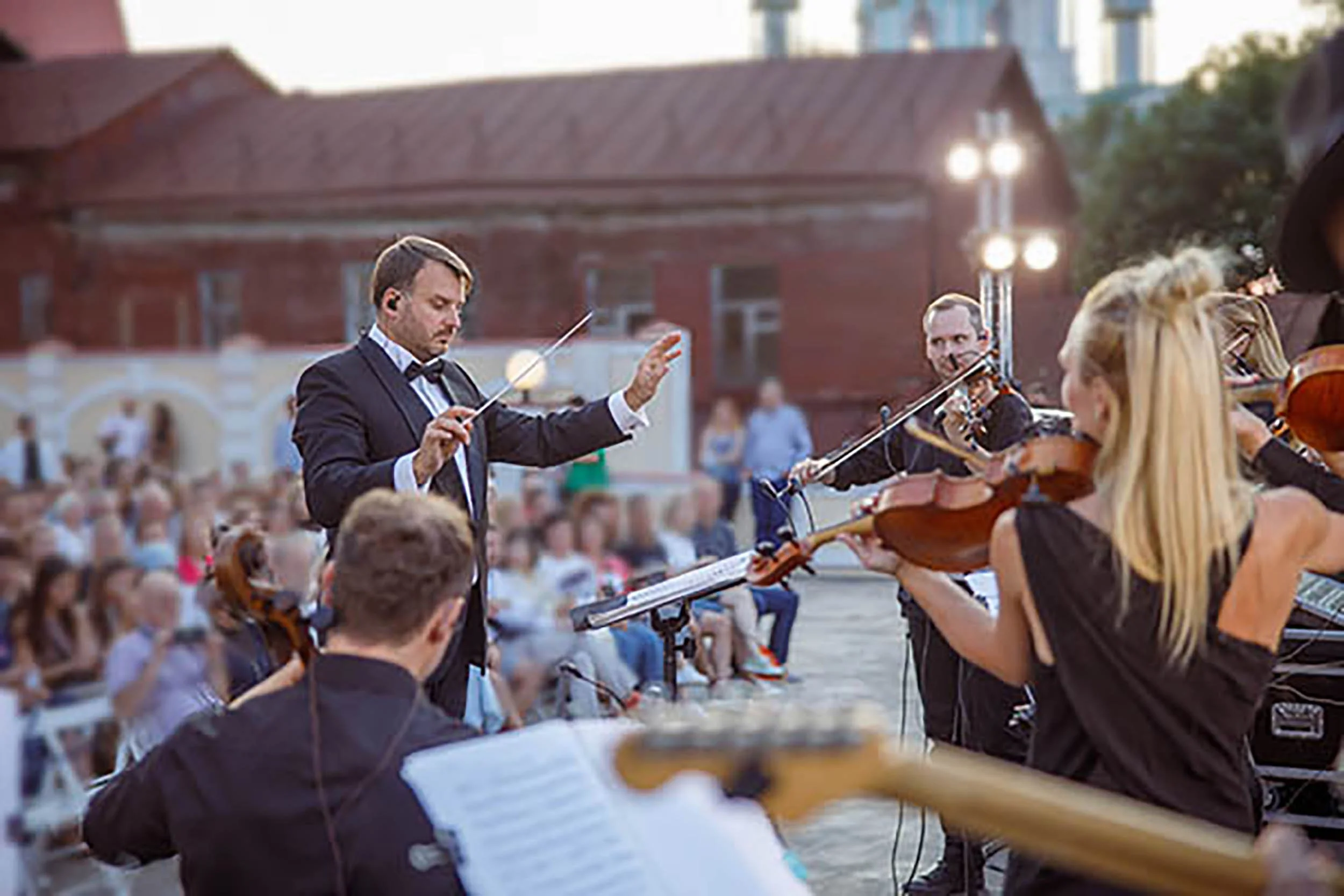
An outdoor Pops-Concert
Royalty-free Shutterstock stock photo ID: 2076236902
POPS Orchestras
Enter the “pops” orchestras, which have done much to promote “lighter fare.” For example, the Boston Pops Orchestra (BPO), a world-renowned orchestra dating back to 1885, is led by some legendary conductors who have brought classical music to millions of music lovers. Three of their conductors immediately come to mind: the first is Arthur Fiedler, who began the famous "Evening at Pops" PBS programs, which brought classical music to millions of TV viewers for over 30 years. Second is the iconic five-time Oscar winner John Williams, of movie soundtrack fame, with a career spanning many decades and known for award-winning scores to Fiddler on the Roof, Jaws (1975), and Star Wars. He also brought “lighter fare” to millions of music lovers.
Finally, we have the current conductor, Keith Lockhart, who has also brought classical music and “pops” music to generations of people worldwide through his pops concerts and BPO recordings. In addition to the BPO, the Cincinnati Pops Orchestra (which became famous thanks to its recordings with Erich Kunzel) and the Hollywood Bowl Orchestra (featuring the best studio musicians in L.A.) have also brought classical music to millions of new fans, along with pops orchestras in Atlanta, Philadelphia, and New York City. By embracing this sub-genre of classical music, they have engaged a broader audience and helped them appreciate it.
Movie Music
Many classic movie musicals or movie soundtracks have also worked their way into the hearts and souls of Americans. Many of us grew up on old Hollywood musicals, with family-friendly films like Chitty Chitty Bang Bang and Willie Wonka and the Chocolate Factory. These movie scores are as American as apple pie and often invoke warm feelings of nostalgia and family when performed. As an example, the United States Air Forces in Europe Band Clarinet Quartet performed my arrangement of a medley of tunes from the movie Willie Wonka for the July 4th festivities at the U.S. Ambassador’s residence in Kyiv, Ukraine, while I was stationed overseas. Over 2,000 people attended this event, celebrating America’s Independence Day almost 5,000 miles from home. After the performance, many audience members came over to our group and asked us to play the entire medley again. They loved hearing this beloved American music score, as it reminded them of home and family. Music truly knows no borders.
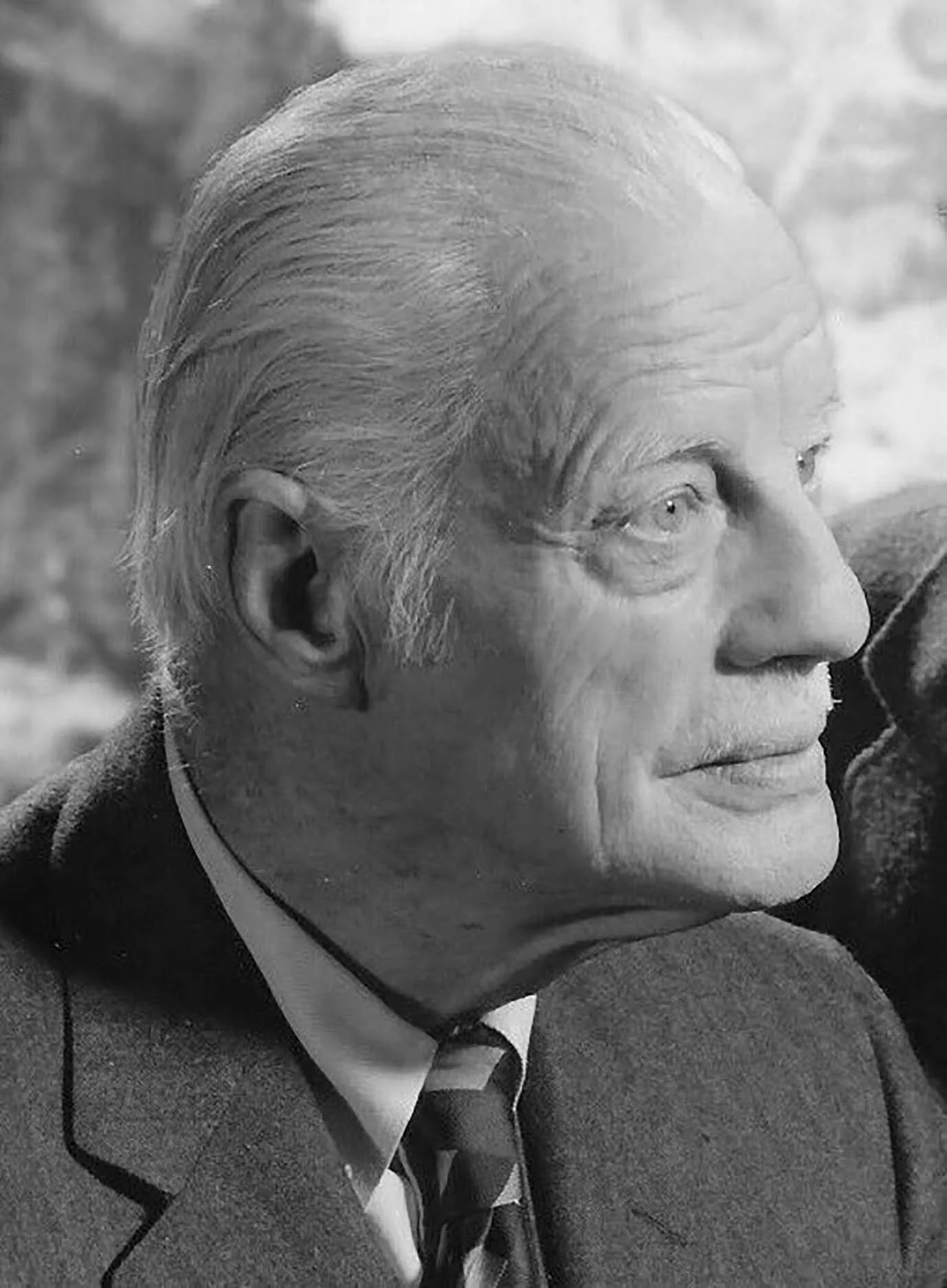
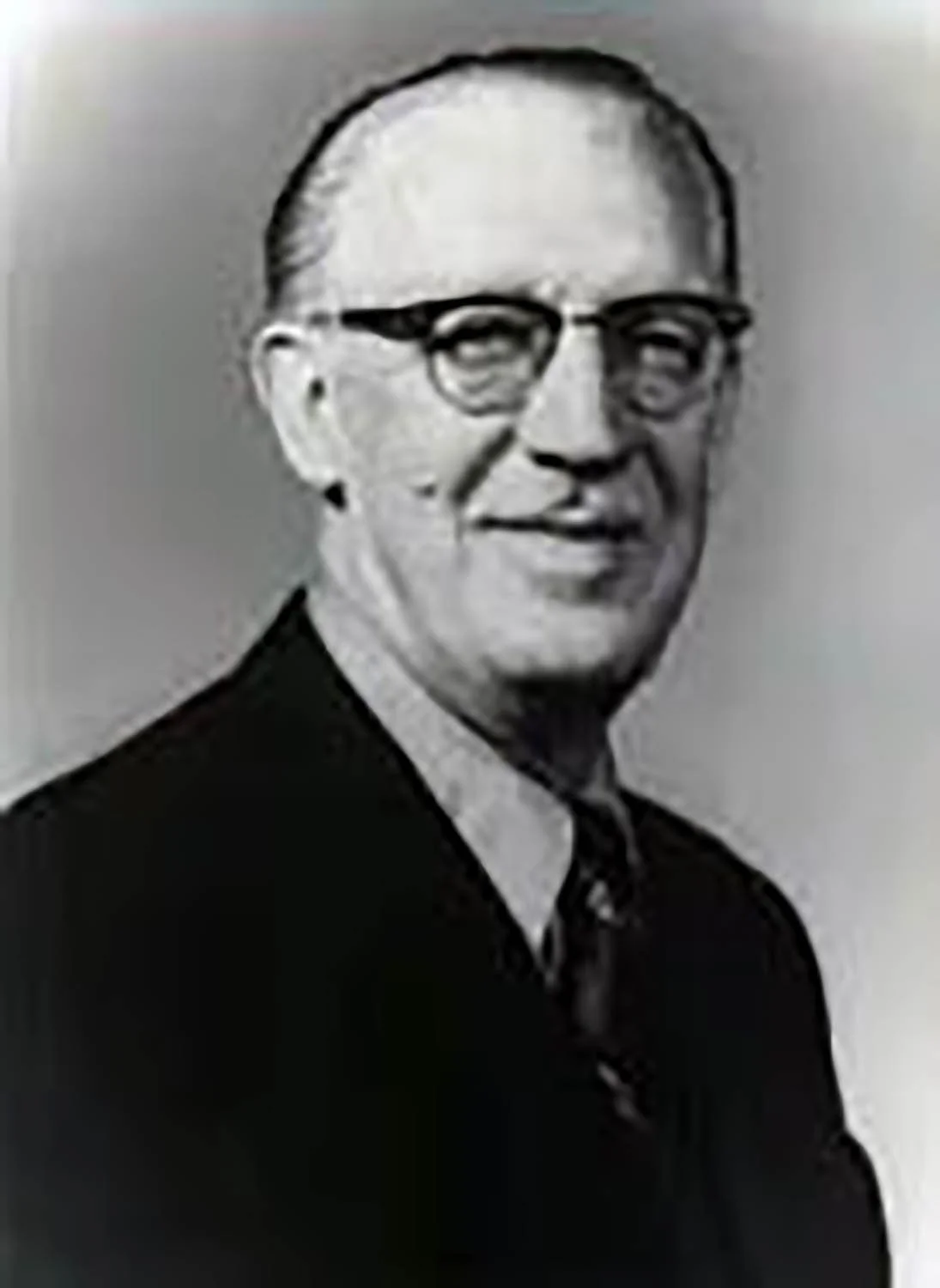
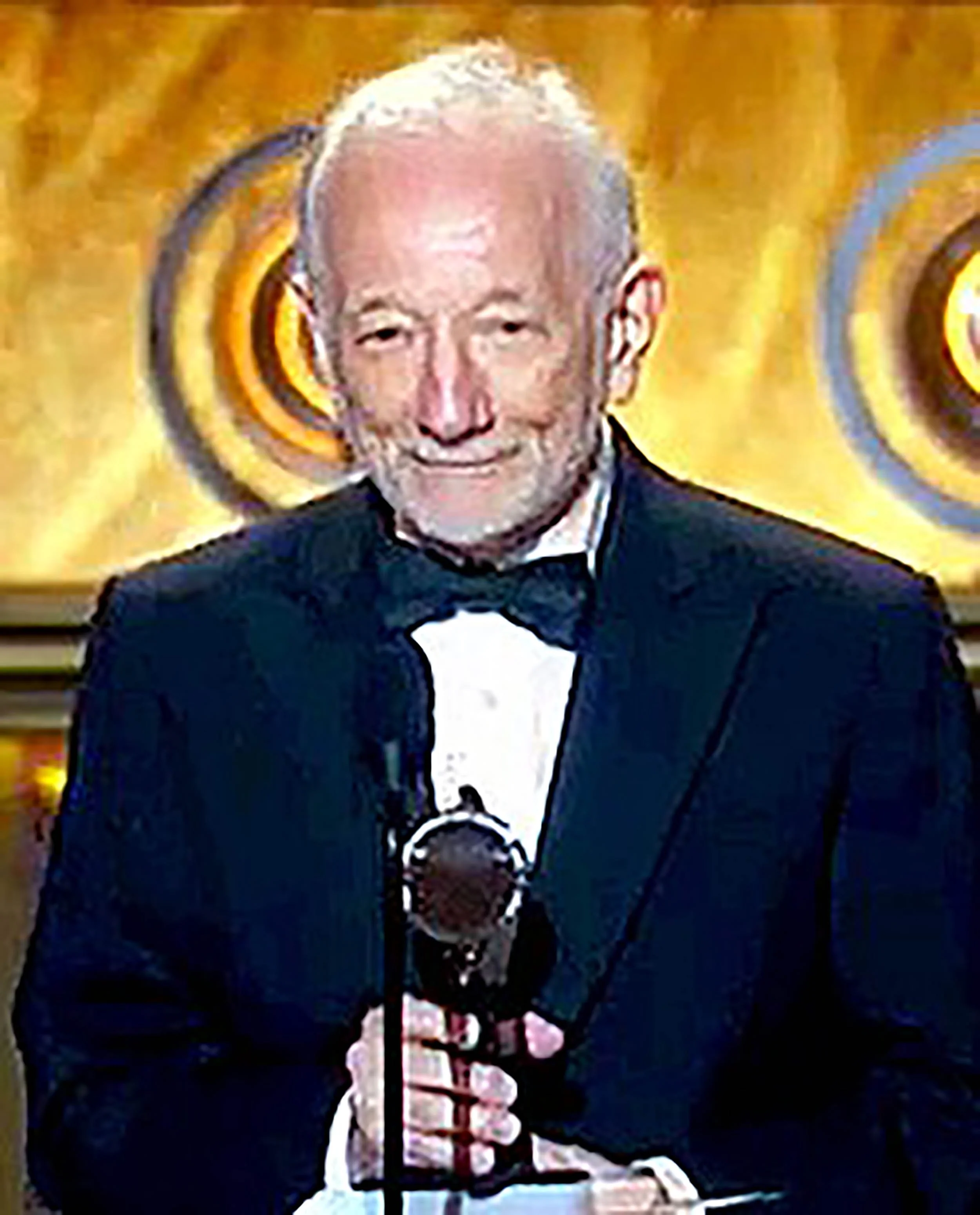
Broadway Orchestrators L-R: Robert Russell Bennett, Philip J. Lang, and Jonathan Tunick
Broadway
The Broadway musical has also given us many American classics. I see Broadway as the United States’ contribution to the world of stage music. Our American musicals are modern-day operas, but with some changes in the musical styles. They still use orchestras and still employ many Western classical music techniques for performance, along with other, newer styles. Great orchestrators like Robert Russell Bennet, Philip J. Lang, and Jonathan Tunick have brought some wonderful Broadway scores to life with their skill at transforming a composer’s piano score into a beautiful, lush orchestral score.
American composer and arranger Robert Russell Bennet wrote orchestrations for iconic American songwriters Irving Berlin, George Gershwin, Jerome Kern, Cole Porter, and Richard Rodgers. This Oscar and Emmy-winning composer orchestrated many of Rodgers and Hammerstein’s hit musicals, including The King and I, Oklahoma!, The Sound of Music and South Pacific. In 1957 and 2008, he received a special Tony Award for his orchestrations of Broadway shows.
Philip J. Lang orchestrated over 50 Broadway shows and was responsible for the amazing orchestrations in Annie Get Your Gun, Hello, Dolly!, and Mame. Additionally, he is known for his concert band compositions and orchestrations, in particular, his perennial Fourth-of-July favorite “American Salute.” This fantasia on “When Johnny Comes Marching Home” by American composer Morton Gould, which Lang orchestrated, has become a favorite of the Boston Pops and many military and community bands.
Jonathan Tunick is known as Stephen Sondheim’s orchestrator and is responsible for such popular musicals as Sweeney Todd and Company. This Tony-winning American orchestrator, musical director, and composer is a Juilliard School grad and has worked as arranger and orchestrator on many recording projects as well. These and many other orchestrators have helped American music lovers learn about Broadway through their popular, award-winning Original Cast Recordings; I know that my own family grew up listening to many of them. So, both Broadway and movie music have become our popular American classical music for the 21st century, and many of us enjoy performing this kind of music.
Therefore, “Pops-Concert” can get a bad rap in this country, but I think it is helping classical music survive here and bringing some of the great classical compositions to younger audiences. This “pops” music is often challenging to perform, but it offers us memorable tunes that will stick with us long after we play our last notes. Embrace the “Pops-Concert” culture! It helps pay the bills, and that is never a bad thing. Plus, it is usually fun, less stressful to play, and leaves our audiences with a smile on their faces.
After reading this blog post, you might be interested in purchasing exceptional arrangements for winds. But, where can I buy high-quality, hand-crafted digital download sheet music arranged for clarinet quartets? Woodwind quartets? Clarinet quintets? Woodwind quintets? Clarinet choirs?
Craig Music Publishers!
You can also find my arrangements on the UMMP Store (formerly ALRY Publications), J.W. Pepper, Sheet Music Direct, and Sheet Music Plus. Support a veteran-owned business and give your audiences an evening of great music with high-quality, expertly hand-crafted arrangements by purchasing digital downloads in our Shop, or visit one of these other sites to find my “pops” music arrangements.

Music Trivia Questions
First question: What is the significance of the song “Anthem” in the musical Chess?
The powerful ballad “Anthem” from Benny Andersson, Bjorn Ulvaeus, and Tim Rice’s Chess is considered one of the show's most iconic songs, highlighting the character's internal struggle between his nationality and personal freedom. Act I of this musical concludes with this iconic song, whose themes focus on personal patriotism and emotional loyalty rather than political allegiance. Originally produced for London’s West End, the show is now enjoying a timely 2025 Broadway Revival run, starring Nicholas Christopher, Lea Michele, and Tony-winner Aaron Tveit.
r/Broadway. (2025, December 5). r/Broadway on reddit: On “anthem” from chess (and people’s braindead responses). Reddit r/Broadway. https://www.reddit.com/r/Broadway/comments/1pf9kzj/on_anthem_from_chess_and_peoples_braindead/
Second question: Can you name two other film scores that Richard and Robert Sherman wrote, in addition to Chitty Chitty Bang Bang?
American musical song-writing brothers Richard and Robert Sherman wrote memorable film scores for such hit movies as the Oscar-winning Mary Poppins, The Jungle Book, Bedknobs and Broomsticks, Charlotte’s Web, and The Aristocats. They are also well-known for writing the score for the 1968 Oscar-nominated movie musical Chitty Chitty Bang Bang. This movie was based on a children’s book by Ian Fleming, author of the James Bond novels, which he wrote for his son, Caspar. Roald Dahl, the British author, poet, and screenwriter best known for writing Willie Wonka and the Chocolate Factory, wrote the screenplay for Chitty.
Gross, E. (2024, July 10). “Chitty Chitty Bang Bang”: 12 facts about the musical classic. Woman’s World. https://www.womansworld.com/entertainment/movies/chitty-chitty-bang-bang-movie-159553#:~:text=The%20original%20songs%20that%20were,the%20rest%20of%20the%20day).
Third question: Which song from the 1971 movie musical “Willie Wonka and the Chocolate Factory” spent three weeks as the #1 song on Billboard’s Top 100 Hits?
Although “Pure Imagination” has been recorded over 100 times by a wide variety of artists, “The Candy Man” received this popular accolade. In 1972, “Brat Pack” member and American singer, actor, comedian, dancer, and musician Sammy Davis, Jr. recorded “The Candy Man” for MGM Records. In June of 1972, this song was #1 on Billboard's Top 100 for three weeks. The song was written by Oscar and Grammy winner Leslie Bricusse, who co-wrote the music and lyrics for Willie Wonka with songwriter Anthony Newley, a British actor, director, comedian, singer, and composer, who is a Grammy winner with Tony and Oscar nominations. Bricusse and Newley received an Oscar nomination for Best Scoring: Adaptation and Original Song Score for Willie Wonka.
Riedel, M. (2016, August 30). Gene Wilder’s most famous song was originally a Dud. New York Post. https://nypost.com/2016/08/30/gene-wilders-most-famous-song-was-originally-a-dud/
Wikimedia Foundation. (2026, January 16). The candy man. Wikipedia. https://en.wikipedia.org/wiki/The_Candy_Man
Thanks for taking the time to stop by and read my blog. I hope you enjoyed my musings on music. I will be back in two weeks with more anecdotes, trivia questions, memories, and a fondness for music. In the meantime, you can listen to my woodwind quintet arrangement of Chitty Chitty Bang Bang by clicking on the MP3 player below. Then purchase it from Sheet Music Direct or Sheet Music Plus. If you have not yet spoken up, tell me in the comment section below what your favorite “Pops-Concert” piece is or which arrangements you might be interested in seeing on CMP. I would love to hear about it. Thanks for stopping by. See you in my next blog!
17 April 2026

Cover art for Chitty Chitty Bang Bang Medley - for Woodwind Quintet
